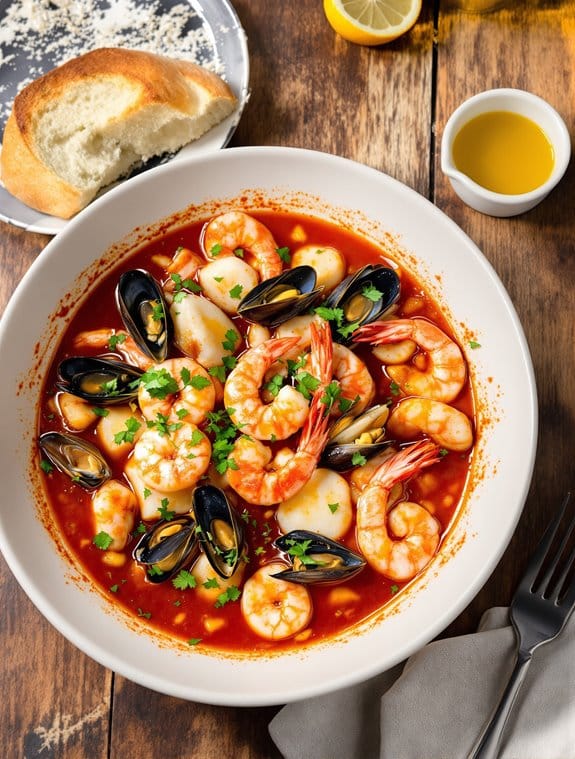
Cioppino Secrets: Building the Perfect Tomato-Fennel Seafood Broth
Beyond just a meal, Cioppino is an experience—a vibrant symphony of fresh seafood dancing in a rich, aromatic broth. This iconic Italian-American seafood stew, born from the ingenuity of Genoese immigrants in San Francisco, has charmed palates worldwide with its hearty nature and complex flavors. While the medley of clams, mussels, shrimp, and flaky white fish often steal the spotlight, the true soul of any exceptional cioppino recipe lies in its meticulously crafted tomato-fennel broth. It's the foundation that elevates a simple seafood dish into a culinary masterpiece. Mastering this broth is the secret to unlocking the full potential of your homemade Cioppino, transforming it into a showstopper for any Sunday supper or holiday feast.
The Soul of the Stew: Building Your Aromatic Base
Every great broth begins with a robust aromatic foundation, and Cioppino is no exception. This initial stage is where the magic truly begins, laying down layers of flavor that will permeate every spoonful of your stew.
1.
The Sautéed Trinity: Fennel, Onion, and Shallots: The journey begins by heating a generous glug of olive oil in a very large pot. Into this, you'll introduce finely diced fennel, onion, and shallots, alongside a pinch of salt. The reference context suggests sautéing until the onion is translucent, about 10 minutes. However, for a truly exceptional broth, consider taking this step a little further. Allowing these vegetables to gently caramelize, coaxing out their natural sugars and developing a slightly golden hue, will unlock a deeper, more complex sweetness that forms a crucial backbone for the broth. This process, often referred to as the Maillard reaction, creates new flavor compounds that can't be achieved by simply cooking until soft. The fennel, in particular, contributes its distinctive anise-like sweetness, a hallmark of a classic cioppino recipe.
2.
The Piquant Pair: Garlic and Red Pepper Flakes: Once your aromatic trinity is perfectly softened and lightly caramelized, it’s time to introduce garlic and red pepper flakes. Crucially, these ingredients are added *after* the initial sauté. Garlic, with its delicate sugars, can burn quickly, turning bitter and ruining the flavor profile. Adding it towards the end of the aromatic sauté ensures it softens and releases its pungent aroma without scorching. The red pepper flakes add a gentle warmth and subtle kick, awakening the palate without overpowering the seafood. Toasting them briefly in the oil for about two minutes helps to bloom their flavor and integrate their heat evenly throughout the broth. For a deeper dive into the historical roots that inspire such foundational steps, explore
Cioppino's San Francisco Roots: Crafting This Iconic Seafood Stew.
Chef's Tip: Don't rush this initial phase. Giving the aromatics ample time to cook down and develop their flavors is perhaps the most critical step in building a rich, flavorful broth. It’s an investment of time that pays dividends in taste.
The Heart of the Matter: Tomatoes, Wine, and Umami Depth
With your aromatic base established, the next phase is about layering in the core liquid components that define Cioppino's signature taste and texture.
1.
The Umami Powerhouse: Tomato Paste: Before adding any liquid, stir in a generous dollop of tomato paste. This concentrated ingredient is a secret weapon for depth. Like the aromatics, tomato paste benefits immensely from being toasted directly in the pot for a few minutes before liquids are introduced. This process removes its raw, metallic edge, caramelizes its sugars, and intensifies its savory, umami-rich flavor, deepening the color of your broth simultaneously. It’s a small step that yields significant flavor returns in your cioppino recipe.
2.
The Fruity Core: Canned Tomatoes: Following the tomato paste, it's time for the stars of the show: canned tomatoes. The reference suggests adding them with their juices, which is essential. For the best flavor, opt for high-quality crushed or diced tomatoes. Many chefs swear by San Marzano plum tomatoes for their balanced sweetness and low acidity. Fire-roasted diced tomatoes can also add a subtle smoky complexity that complements the seafood beautifully. The natural acidity of the tomatoes is vital, providing a bright counterpoint to the richness of the seafood.
3.
The Liquid Gold: Wine and Fish Stock: Next, pour in a dry white wine, such as Sauvignon Blanc or Pinot Grigio. The wine not only adds another layer of acidity and fruity notes but also helps to deglaze the pot, scraping up any flavorful bits stuck to the bottom, integrating them back into the broth. Allow the wine to simmer for a few minutes to cook off some of its alcohol and concentrate its essence. The final liquid component is fish stock – the true backbone for any seafood stew. While clam juice can be an acceptable substitute in a pinch, a good quality fish stock provides a much richer, more nuanced umami depth. If you have access to homemade fish stock, use it; otherwise, seek out a low-sodium, high-quality store-bought option. This combination of liquids, along with a bay leaf for subtle herbaceous notes, will begin to transform into your savory broth. For tips on customizing your seafood choices to complement this broth, refer to
Master Cioppino: Your Guide to a Customizable Seafood Stew.
Chef's Tip: If you want an extra layer of depth, add a splash of good quality brandy or dry vermouth along with the white wine. It contributes a subtle, sophisticated warmth to the broth.
The Art of Infusion: Slow Simmering for Peak Flavor
Once all the foundational ingredients are in the pot, the true magic of flavor integration begins with the simmer. This isn't just about heating the liquid; it's about allowing the diverse flavors to meld, deepen, and become more harmonious.
1.
The Patient Simmer: The recipe calls for covering the pot and bringing it to a simmer, then reducing the heat to medium-low and letting it simmer for about 30 minutes. This duration is crucial. During this time, the flavors from the vegetables, tomatoes, wine, and stock marry and intensify. The bay leaf slowly releases its aromatic oils, adding a subtle, savory perfume. A gentle simmer, rather than a rolling boil, ensures that the ingredients cook evenly and gently, preventing scorching and allowing the flavors to infuse properly.
2.
Flavor Development: As the broth simmers, the liquid will slightly reduce, concentrating the flavors further. The acidity from the tomatoes and wine will mellow, blending seamlessly with the sweetness of the fennel and the savory notes of the fish stock. This process is what transforms a collection of ingredients into a coherent, deeply satisfying broth that sings with complexity.
Chef's Tip: If time allows, simmering the broth for 45-60 minutes can create an even richer, more integrated flavor profile. Just be sure to check the liquid level and add a splash more fish stock or water if it reduces too much. Some experienced cooks even prepare the broth a day ahead, allowing the flavors to deepen overnight in the refrigerator.
Seamless Integration: Bringing the Seafood into the Broth
With your magnificent tomato-fennel broth perfected, the final stage involves the swift and careful addition of the seafood. The beauty of Cioppino is how quickly it comes together once the broth is ready.
1.
Layering the Seafood: The timing for adding seafood is vital to ensure everything cooks perfectly without becoming tough or rubbery. Start with ingredients that take slightly longer to open or cook. Add the clams and mussels to the simmering broth first, covering the pot and cooking until they just begin to open, typically about 5 minutes. As soon as they show signs of opening, gently add the shrimp and your chosen flaky white fish (such as cod, halibut, or snapper). Simmer gently for another 5 minutes, or until the shrimp are pink and opaque, the fish is cooked through and flakes easily, and all the clams and mussels are fully open. Any clams or mussels that do not open should be discarded.
2.
Final Seasoning and Serving: Once the seafood is perfectly cooked, taste the soup and adjust the seasoning as needed with more salt and red pepper flakes. Ladle the piping hot Cioppino into large bowls. Traditionally, it’s served with generous slices of crusty grilled sourdough bread, perfect for soaking up every drop of that incredible broth. For an extra burst of freshness, consider a vibrant gremolata made with fresh parsley, orange zest, and finely minced garlic and olives – it offers a bright contrast to the rich stew.
Cioppino is a testament to the power of thoughtful cooking, where each step contributes to an unforgettable whole. By focusing on building that perfect tomato-fennel seafood broth, you're not just following a cioppino recipe; you're crafting an experience that celebrates the bounty of the sea and the richness of Italian-American culinary heritage. So roll up your sleeves, gather your fresh ingredients, and prepare to create a truly spectacular seafood stew that will impress and delight.