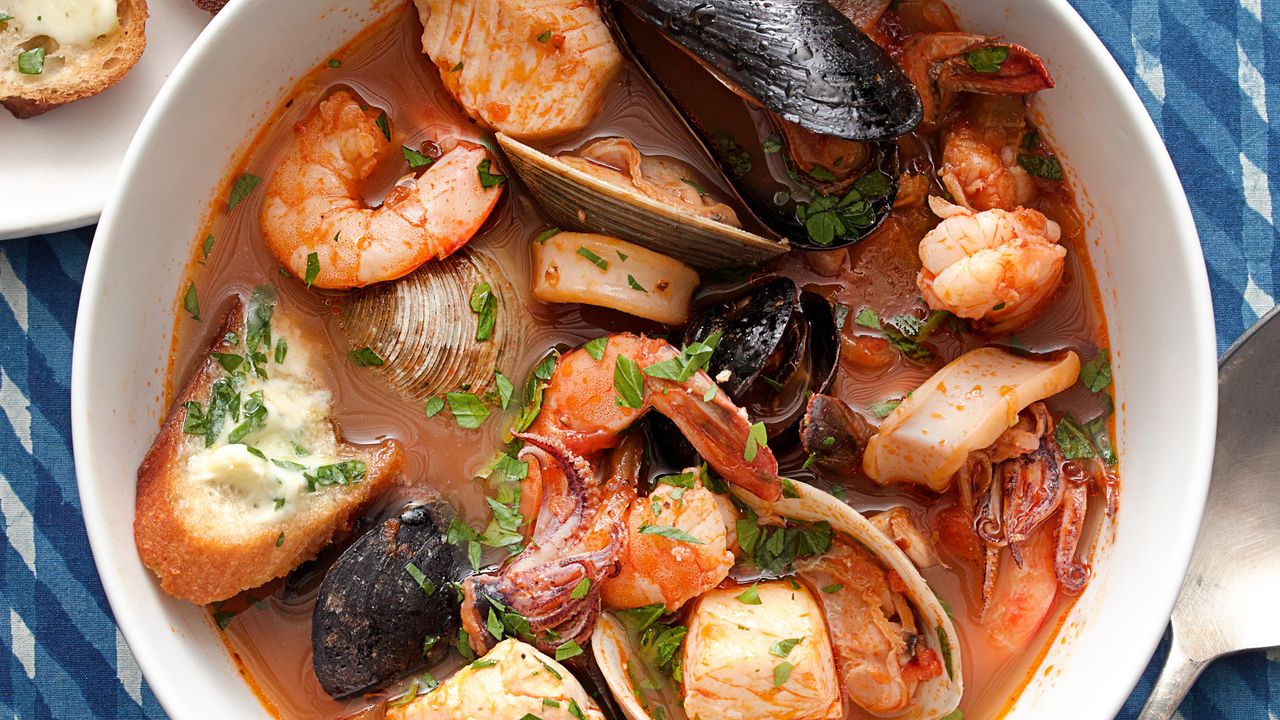
In the vibrant culinary landscape of San Francisco, amidst the clamor of fishing boats and the aroma of diverse kitchens, an iconic dish was born: Cioppino. This hearty, intensely satisfying seafood stew, pronounced "chuh-pee-no," is more than just a meal; it's a delicious testament to immigrant ingenuity and the abundant bounty of the Pacific. While related to many classic Mediterranean fish stews, Cioppino stands unique as a distinctly American creation, crafted by Italian-American immigrants who adapted their ancestral traditions to the new world.
Often gracing holiday tables, particularly as a showstopper for a Sunday supper or a centerpiece in the Feast of the Seven Fishes, a well-executed cioppino recipe is a celebration of texture and flavor. It combines a medley of fresh seafood—clams, mussels, shrimp, and flaky white fish—all swimming in a rich, aromatic tomato-fennel broth. If you’ve ever yearned to bring the authentic taste of San Francisco’s fishing docks to your own dining table, join us as we explore the roots of this beloved stew and guide you through crafting your very own.
The San Francisco Story: Birth of an Icon
The origins of Cioppino are deeply entwined with the history of San Francisco's Italian-American community, particularly the Genoese fishermen who settled there in the late 19th century. These immigrants, arriving from a region with a rich tradition of fish-based stews like *cacciucco* (Tuscan) or *bouillabaisse* (French), found themselves with a treasure trove of unfamiliar yet incredibly fresh Pacific seafood. Adapting to their new environment, they began to create a stew using whatever they caught that day or whatever was left over and couldn't be sold.
The name "Cioppino" itself is often attributed to the term these fishermen would use when gathering ingredients – reportedly, they would "chip in" (or "ciuppin," in Genoese dialect) their daily catch to create a communal meal. This "catch of the day" philosophy remains a cornerstone of any authentic cioppino recipe today. It’s a testament to resourcefulness, transforming a simple collection of fresh, local ingredients into a dish that is both deeply comforting and elegantly flavorful, truly embodying the spirit of its San Francisco birthplace.
Deconstructing the Classic Cioppino Recipe: The Heart of the Stew
At its core, a successful cioppino recipe hinges on two main elements: a deeply flavorful broth and an array of perfectly cooked, fresh seafood. While the specific seafood can vary wildly, the broth provides the consistent character that defines this iconic dish.
The Aromatic Broth: Foundation of Flavor
The magic of Cioppino begins with its rich, aromatic tomato-fennel broth. This isn't just a liquid base; it's the soul of the stew, infusing every bite of seafood with its distinctive taste. Building this broth correctly is paramount, allowing the flavors to meld and deepen over time.
- Sautéing the Aromatics: The first step involves gently heating olive oil in a very large pot. To this, you'll add thinly sliced fennel, onion, and shallots, along with a pinch of salt. Sautéing these until the onion turns translucent, typically about 10 minutes, allows their natural sweetness to develop. Next, finely minced garlic and a modest amount of red pepper flakes are stirred in for a couple of minutes, releasing their pungent aromas and adding a subtle warmth.
- Building the Tomato Base: Stirring in tomato paste is crucial, as it provides a concentrated burst of umami and color. This is followed by high-quality crushed or diced tomatoes with their juices, which form the primary body of the broth.
- Adding Liquids and Simmering: A dry white wine (such as Pinot Grigio or Sauvignon Blanc) and a good fish stock are then incorporated, along with a bay leaf. Bring the mixture to a simmer, then reduce the heat and cover, allowing the broth to gently simmer for at least 30 minutes. This crucial simmering time allows the flavors to truly blend and deepen, transforming individual ingredients into a harmonious foundation. For more in-depth strategies on mastering your broth, explore our guide on Cioppino Secrets: Building the Perfect Tomato-Fennel Seafood Broth.
The Star Performers: Choosing Your Seafood
One of the most appealing aspects of any cioppino recipe is its incredible adaptability. The stew was originally designed to use the "day's catch," meaning whatever fresh seafood was readily available. This tradition continues today, encouraging home cooks to choose what looks best at their local fish counter.
A typical cioppino includes a wonderful jumble of textures and flavors, often featuring:
- Clams and Mussels: These add a briny sweetness and contribute significantly to the broth's depth as they open.
- Shrimp: Quick-cooking and universally loved, shrimp provides a delicate texture.
- Flaky White Fish: Halibut, cod, snapper, or even sea bass are excellent choices. They cook quickly and absorb the broth's flavors beautifully without falling apart too easily.
But don't stop there! Cioppino has as many variations as there are fish in the sea. Feel free to go wild with additions like:
- Crab: Dungeness crab, a San Francisco staple, is a common and luxurious addition.
- Lobster: Chunks of lobster tail elevate the stew to a truly celebratory dish.
- Scallops or Cockles: These add another layer of delicate sweetness and diverse texture.
A word of caution: While versatility is key, it's generally best to avoid oily, dense fish like salmon, trout, or tuna in Cioppino, as their strong flavors can overpower the delicate broth. The highest quality, freshest seafood is paramount. Don't hesitate to ask your fishmonger for recommendations on what's freshest that day!
Crafting Your Own Masterpiece: Tips for a Perfect Cioppino
While a cioppino recipe involves a collection of ingredients, its execution doesn't have to be daunting. With a few practical tips, you can ensure a restaurant-quality result every time.
Preparation is Key
The success of Cioppino often comes down to efficient preparation. As noted in its origins, there's some work involved in cleaning, deveining, and otherwise prepping the seafood. However, once this "mise en place" (everything in its place) is behind you, the stew comes together remarkably quickly. Have all your vegetables chopped, garlic minced, and seafood cleaned and ready to go before you even turn on the stove. This ensures a smooth cooking process and prevents overcooking any delicate ingredients.
Layering the Seafood for Perfection
The art of cooking Cioppino lies in adding the seafood in stages, based on their cooking times. This ensures everything is perfectly tender, not rubbery or overdone:
- Begin by adding the clams and mussels to the simmering broth. Cover the pot and cook until they just begin to open, typically about 5 minutes. Their natural juices will further enrich the broth.
- Next, gently add the shrimp and your chosen flaky white fish. Continue to simmer gently, stirring occasionally, until the shrimp turn pink and opaque, and the fish is just cooked through. This usually takes another 3-5 minutes.
- Important: Discard any clams or mussels that do not open, as they may not have been alive before cooking.
- Finally, taste the stew and adjust seasoning with more salt and red pepper flakes as desired.
Serving Suggestions and Enhancements
Traditionally, Cioppino is served hot, ladled into large bowls, and accompanied by generous hunks of grilled sourdough bread. This crusty bread is essential for soaking up every last drop of the exquisite, flavor-packed broth. A drizzle of high-quality extra virgin olive oil over each serving just before it hits the table adds a lovely finish.
For an extra "pop of freshness" and a vibrant contrast to the briny seafood, consider adding a sprinkle of gremolata. This classic Italian condiment, typically made with finely chopped parsley, lemon zest, and garlic, can be adapted for Cioppino by incorporating finely diced olives and orange zest. The combination of bright citrus, pungent garlic, fresh herbs, and salty olives brings a fragrant liveliness that truly elevates the dish. For more creative ideas and guidance on tailoring your stew, check out Master Cioppino: Your Guide to a Customizable Seafood Stew.
Cioppino is a magnificent testament to culinary evolution, a dish born from necessity and elevated by passion. From its humble beginnings on the San Francisco docks to its status as a beloved culinary icon, this seafood stew promises a dining experience that is both hearty and refined. Embracing its customizable nature, every cioppino recipe becomes an opportunity to experiment, using the freshest catch and your favorite flavors. So, gather your ingredients, follow these steps, and prepare to embark on a delicious journey that celebrates tradition, innovation, and the unparalleled joy of a homemade feast.
