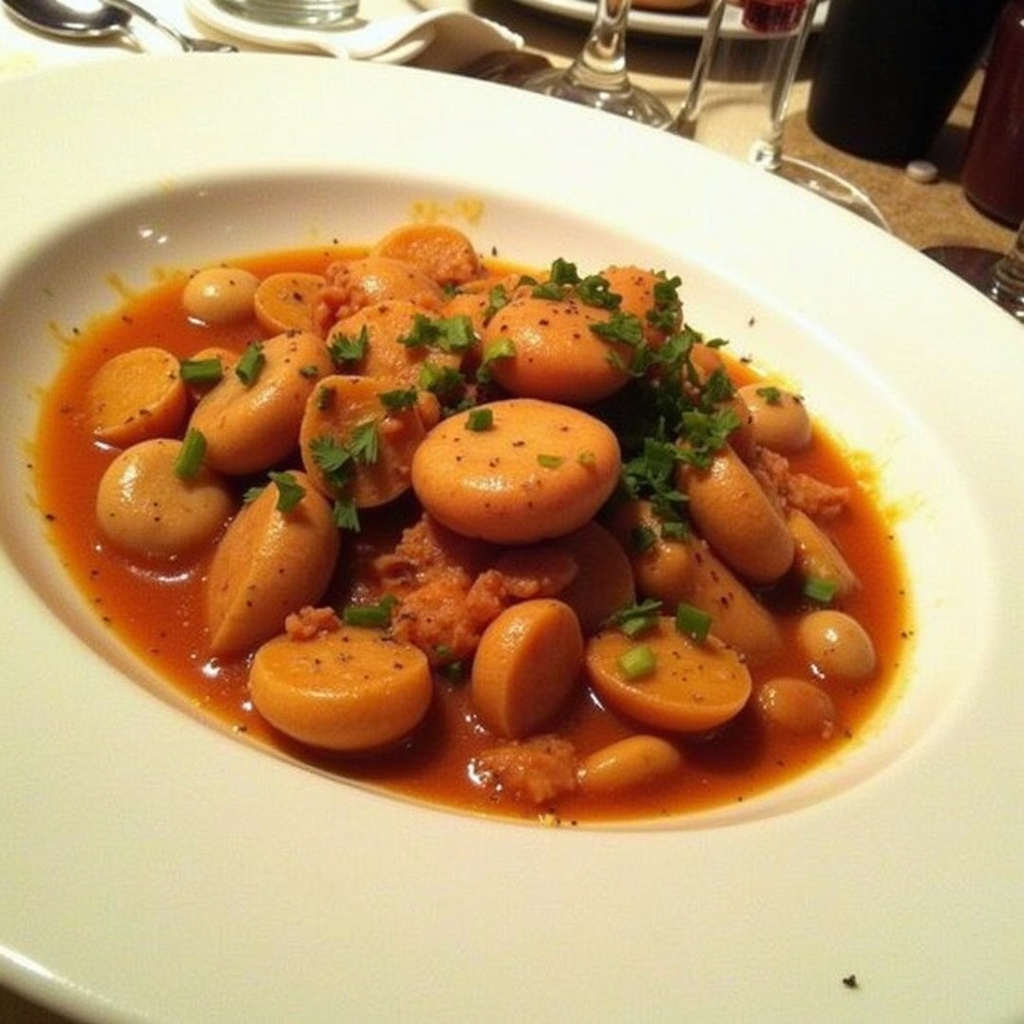
Master Cioppino: Your Guide to a Customizable Seafood Stew
Few dishes evoke the warmth and abundance of a hearty meal quite like cioppino. This iconic seafood stew, bursting with a medley of fresh catches in a rich, aromatic tomato-fennel broth, has captivated palates for generations. More than just a recipe, cioppino is an experience – a testament to culinary ingenuity and a celebration of the sea's bounty. While it may appear sophisticated, creating a showstopper cioppino in your own kitchen is entirely achievable, and perhaps its greatest charm lies in its inherent adaptability. Whether you’re a seasoned chef or a home cook looking to impress, this comprehensive guide to a delicious cioppino recipe will empower you to craft a stew perfectly tailored to your taste and what’s freshest at your local market.
The Storied Origins of San Francisco's Beloved Stew
Cioppino's roots are firmly planted in the vibrant Italian-American fishing communities of 19th-century San Francisco. Genoese immigrants, far from their Mediterranean homes, adapted their traditional fish stews – such as the Tuscan
cacciucco or French
bouillabaisse – to the abundant seafood found in the Pacific waters. The name "cioppino" itself is thought to derive from a Genoese dialect word,
ciuppin, referring to a type of fish soup, or perhaps from "chip in," as fishermen would chip in parts of their daily catch to create a communal stew. This homey, yet intensely satisfying, dish quickly became a local legend, embodying a fusion of old-world culinary traditions and new-world resources. To delve deeper into the fascinating history and cultural impact of this dish, explore
Cioppino's San Francisco Roots: Crafting This Iconic Seafood Stew.
Building the Foundation: The Flavorful Broth
The soul of any exceptional cioppino recipe lies in its incredibly rich and fragrant broth. This isn't just a liquid base; it's a deeply developed flavor profile that acts as the perfect canvas for your chosen seafood. The preparation begins with a medley of aromatic vegetables, setting the stage for complexity.
The Aromatic Base
The journey to a sublime broth starts by heating a generous amount of olive oil in a very large pot or Dutch oven over medium heat. Into this, you’ll add finely diced
fennel,
onion, and
shallots, along with a pinch of salt. Sauté these patiently, stirring occasionally, until the onions become beautifully translucent – a process that typically takes about 10 minutes. This slow cooking allows their natural sugars to caramelize slightly, building a foundational sweetness. Next, introduce minced
garlic and a touch of
red pepper flakes. The garlic adds a pungent depth, while the red pepper flakes provide a gentle warmth and subtle kick, which you can adjust to your preference. Sauté for just a couple more minutes, being careful not to burn the garlic.
Developing Depth and Body
Once your aromatics are fragrant, stir in a spoonful of
tomato paste. Cooking the tomato paste for a minute or two helps to deepen its flavor, transforming its raw acidity into a concentrated umami richness. This small step is crucial for the broth's overall complexity.
Now, it's time to introduce the liquids:
- Canned crushed tomatoes (with their juices): These provide the vibrant, tangy core of the broth.
- Dry white wine: A dry white wine, like Sauvignon Blanc or Pinot Grigio, adds acidity and a layer of sophisticated flavor.
- Fish stock: This is paramount for amplifying the seafood essence of the stew. Opt for a good quality stock for the best results.
- A bay leaf: This herb infuses a subtle, earthy aroma as the broth simmers.
Bring the mixture to a gentle simmer, then reduce the heat to medium-low, cover, and let it simmer for at least 30 minutes. This crucial simmering time allows all the individual flavors to meld and harmonize, creating a truly unified and robust base. Some chefs even simmer the broth for an hour or more to further develop its character. For an in-depth exploration of how to perfect this foundational element, consult
Cioppino Secrets: Building the Perfect Tomato-Fennel Seafood Broth.
Crafting Your Customizable Cioppino Recipe: Seafood Selection and Preparation
The beauty of a cioppino recipe lies in its inherent flexibility. While traditional versions often feature a specific medley, the spirit of cioppino is to use what's freshest and most appealing.
Choosing Your Catch
When selecting seafood for your cioppino, variety in texture and flavor is key. A typical combination includes:
- Mussels and Clams: These shellfish open as they cook, releasing their briny liquor into the broth, adding incredible depth. Always ensure they are alive and discard any that are open before cooking or remain closed afterward.
- Shrimp: Quick-cooking and sweet, shrimp adds a familiar and popular element.
- Flaky White Fish: Firm, non-oily white fish like halibut, cod, snapper, or sea bass hold up well in the stew without disintegrating.
But don't stop there! Cioppino is endlessly adaptable. Feel free to substitute or add other delectable options:
- Scallops: Their sweet, delicate flavor is a luxurious addition.
- Crab: Dungeness crab, a San Francisco staple, can be added in clusters or whole for a dramatic presentation and rich flavor.
- Lobster: For a truly special occasion, lobster tail pieces elevate the stew.
- Cockles: A smaller, sweeter alternative to clams.
What to avoid: Oily, dense fish like salmon, trout, or tuna are generally not recommended as their strong flavor can overpower the delicate broth, and their texture can become less appealing in a stew. Always prioritize the
freshest seafood possible – ask your fishmonger for recommendations!
Prepping Your Seafood
While the broth simmers, use this time to meticulously prepare your seafood.
- Mussels and Clams: Scrub them thoroughly under cold running water. Remove any "beards" (fibrous strands) from mussels by pulling them firmly towards the hinge end.
- Shrimp: Peel and devein them, leaving the tails on for visual appeal if desired.
- White Fish: Cut into 1-inch to 2-inch chunks.
Proper preparation ensures a clean taste and an enjoyable eating experience.
Assembling and Cooking Your Cioppino Recipe
Once your broth has simmered and your seafood is prepped, the final stage of assembling your cioppino comes together surprisingly quickly. The key is to add the seafood in stages, respecting their different cooking times to ensure everything is perfectly tender and not overcooked.
1.
Add Shellfish: Increase the heat slightly under your simmering broth. Gently add the cleaned clams and mussels to the pot. Cover the pot and cook for approximately 5 minutes, or until they just begin to open. This initial cooking allows them to release some of their flavorful juices into the broth.
2.
Introduce Fish and Shrimp: Next, carefully add the shrimp and your chosen white fish chunks to the pot. Stir gently to submerge them in the broth. Cover again and continue to simmer for another 3-5 minutes, or until the shrimp turn pink and opaque, the fish is just cooked through and flakes easily, and all the clams and mussels have fully opened.
Crucially, discard any clams or mussels that did not open during cooking. Overcooking will make the seafood rubbery, so keep a close eye on it.
3.
Final Seasoning: Taste the cioppino. At this stage, you’ll want to adjust the seasoning to your preference. Add more salt if needed, and extra red pepper flakes if you desire more heat. Remember, the seafood itself will contribute to the saltiness, so taste before adding too much.
Serving Your Masterpiece: The Cioppino Experience
Ladle your magnificent cioppino recipe generously into large, shallow bowls. Ensure each serving gets a good mix of broth and various seafood pieces.
Traditionally, cioppino is served with a hearty side of
crusty sourdough bread, perfect for soaking up every last drop of the rich, flavorful broth. Grilled or toasted sourdough adds another layer of texture and taste.
For an extra burst of freshness and a beautiful contrast to the briny stew, consider making a simple
gremolata. A mix of finely chopped fresh parsley, orange zest, minced garlic, and perhaps some chopped olives provides a fragrant liveliness that elevates the dish. Simply sprinkle a spoonful over each bowl just before serving. A drizzle of high-quality extra virgin olive oil can also add a delightful finishing touch.
Tips for Cioppino Success
*
Freshness is paramount: Always use the freshest seafood you can find. It truly makes all the difference.
*
Don't rush the broth: Allow adequate time for the aromatics to soften and the broth to simmer and develop its flavors. This is where the magic happens.
*
Gentle with seafood: Seafood cooks quickly. Avoid overcooking, which can lead to tough, rubbery textures. Add it in stages and monitor closely.
*
Taste and adjust: Seasoning is personal. Always taste your broth before adding seafood, and then again at the end, to adjust salt and spice.
*
Embrace adaptability: Don't be afraid to experiment with different combinations of seafood based on availability and personal preference.
Conclusion
Cioppino is more than just a seafood stew; it's a culinary journey from the bustling docks of San Francisco to your dining table. By following this comprehensive guide to a customizable cioppino recipe, focusing on the quality of ingredients, and understanding the simple yet effective cooking techniques, you can confidently create a dish that is both deeply satisfying and impressively elegant. So gather your freshest seafood, prepare your aromatic broth, and get ready to enjoy a taste of history and culinary innovation that’s sure to become a beloved favorite in your home.